Piedmont Riverfront Park to Open Friday as Ecotourism Spot
Greg Wilson/Anderson Observer
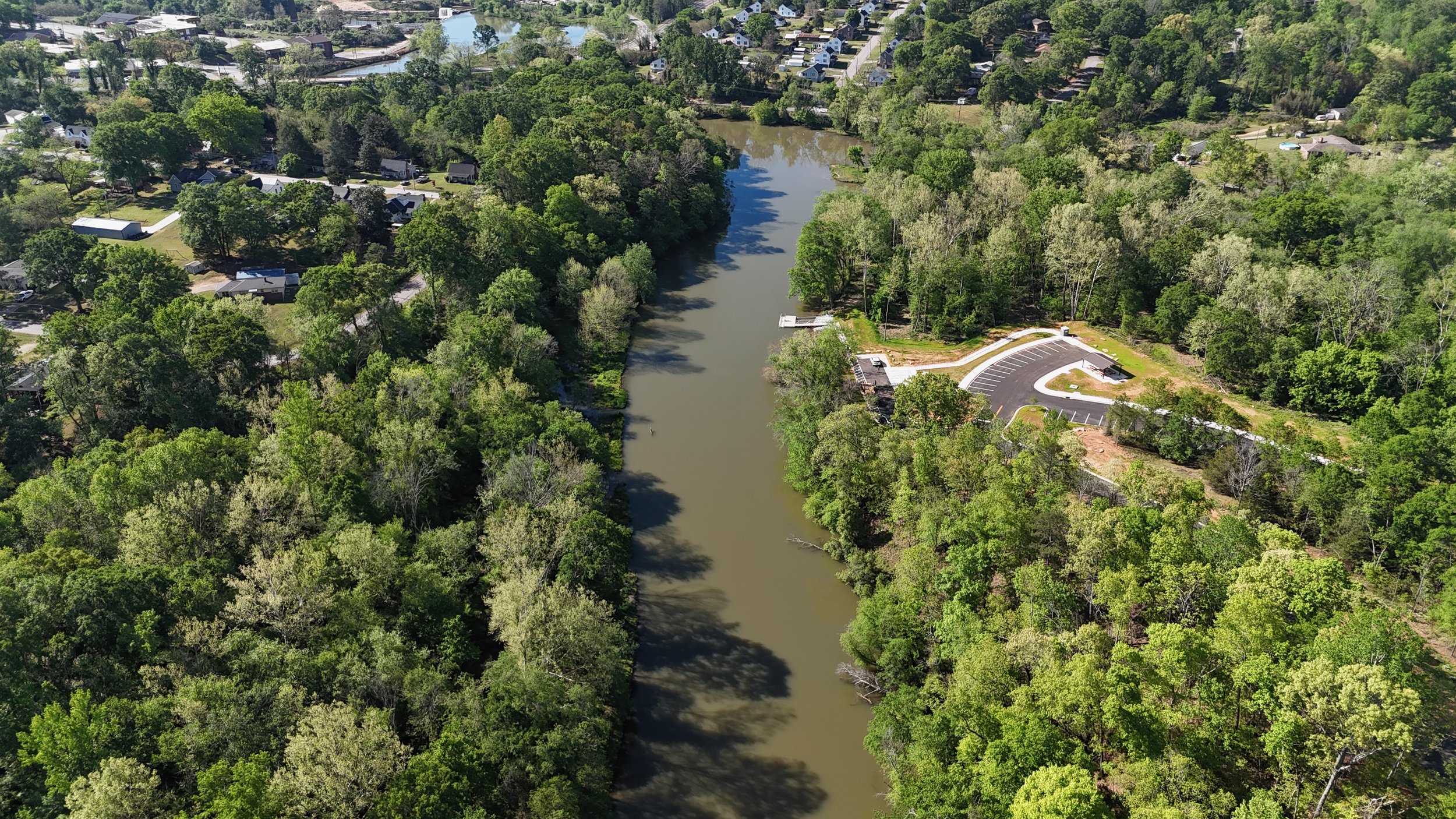
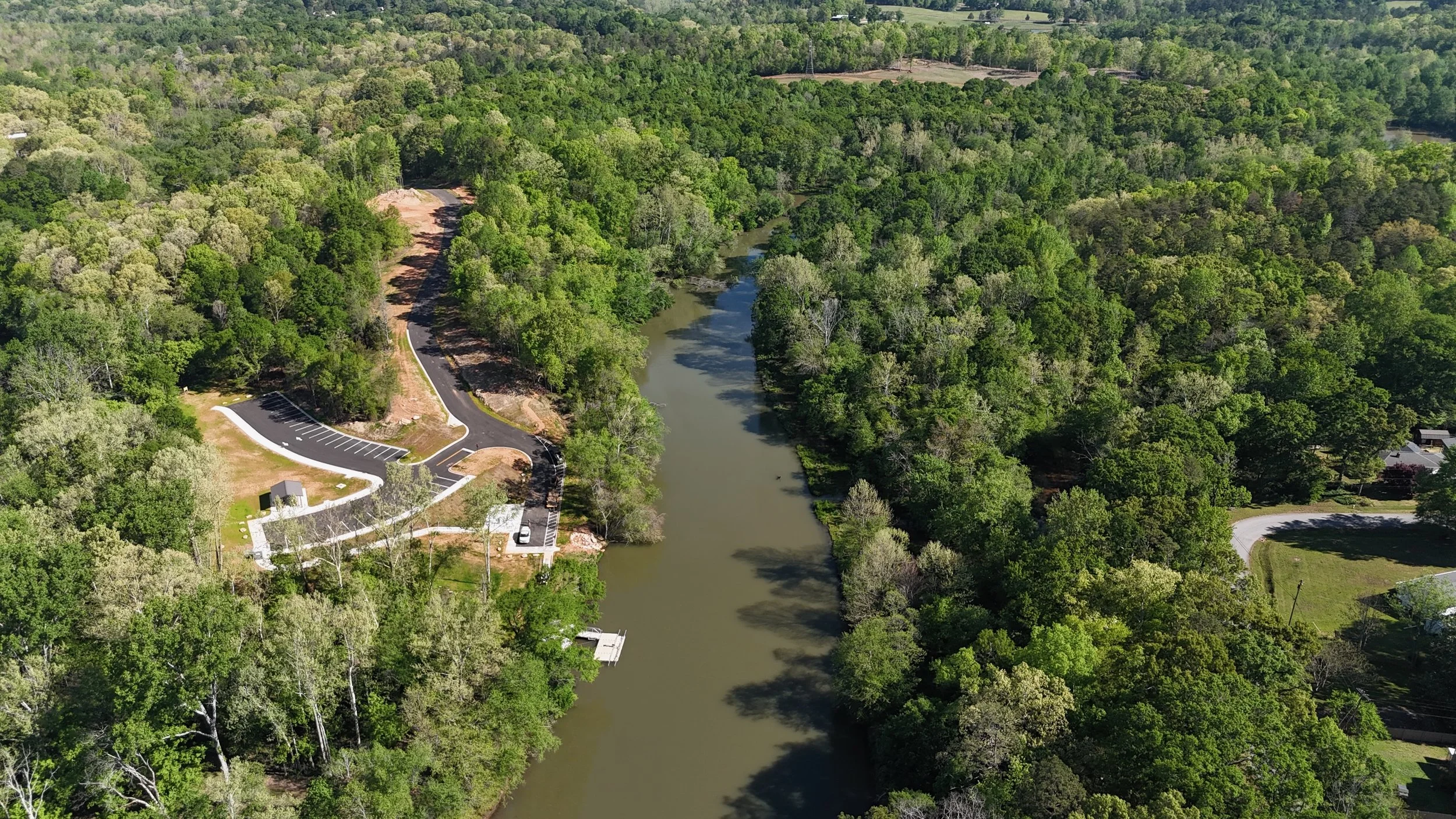
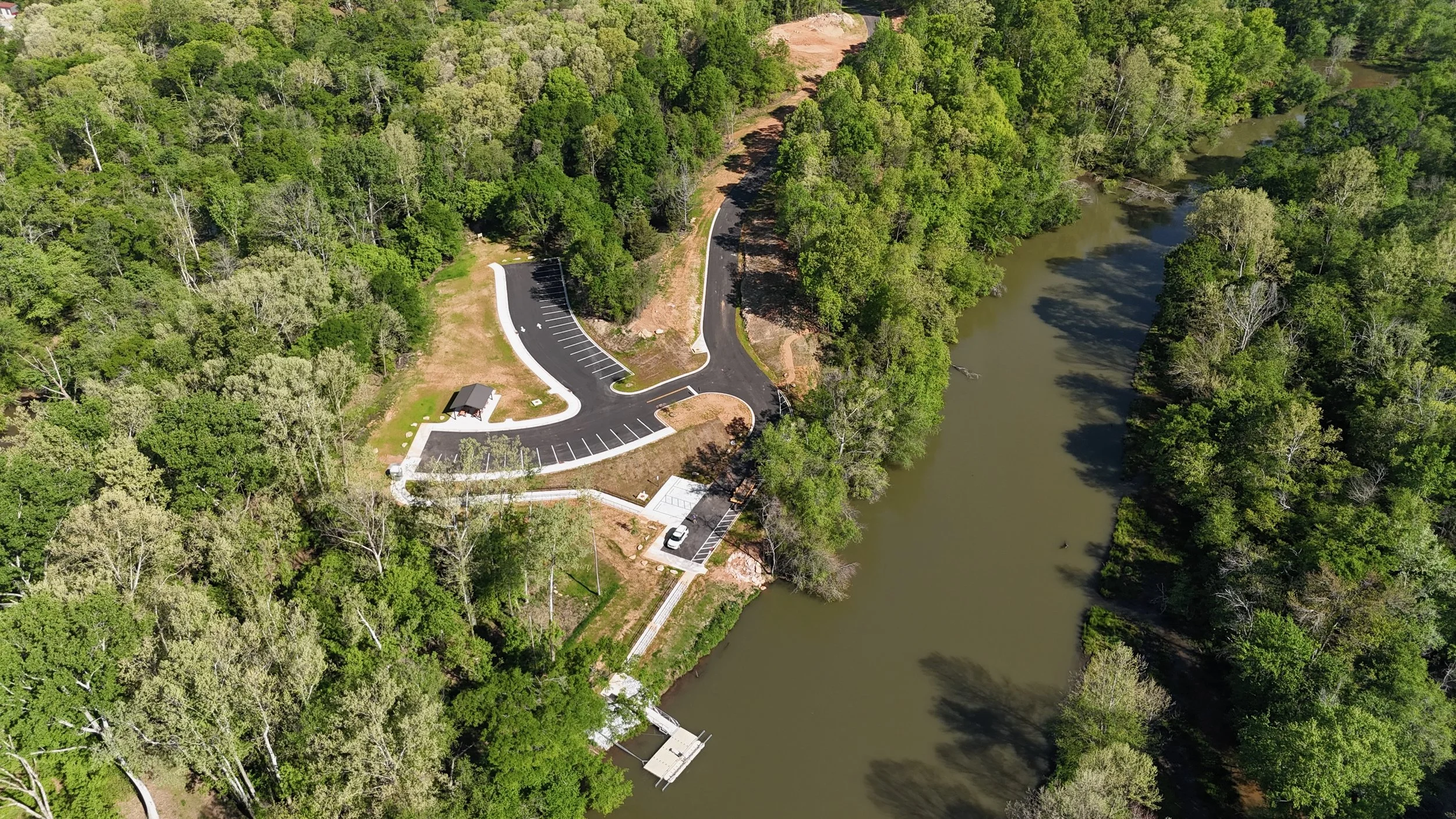
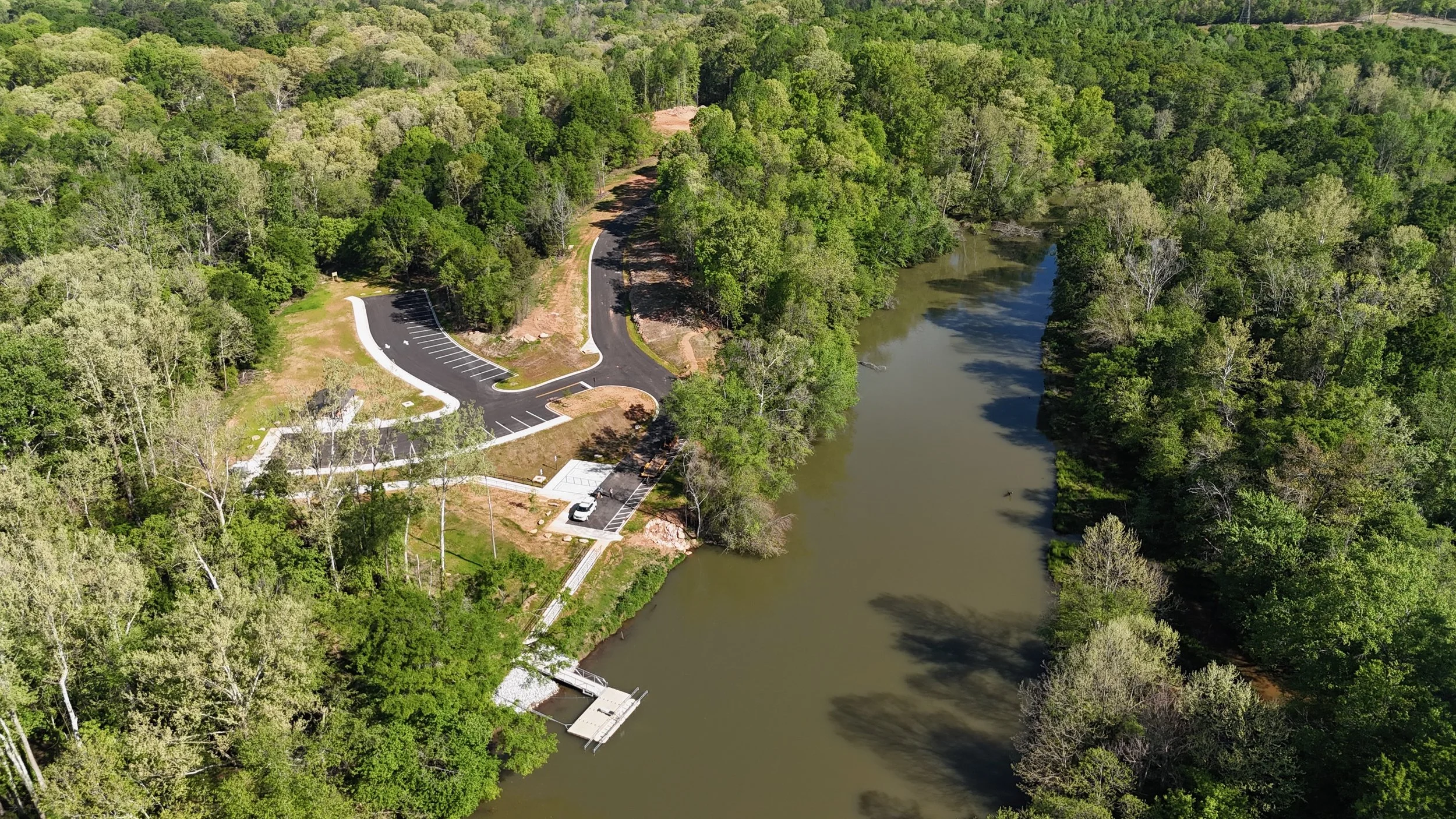
On the west bank of the Saluda River, just north of Piedmont Dam, Anderson County has been building something that is modest in scale and large in implication: the 21-acre Piedmont Riverfront Park at 550 River Road, conceived not as a monument but as a way back to the water. The site, which once served as a staging area for sand-mining operations, is being recast as a public landscape of trails, launches, and shade trees, an act of reclamation on land shaped by industry and drainage and time.
On Friday, the county will host the official opening of the part in a 10 a.m. ceremony at the park, 611 River Rd, Piedmont.
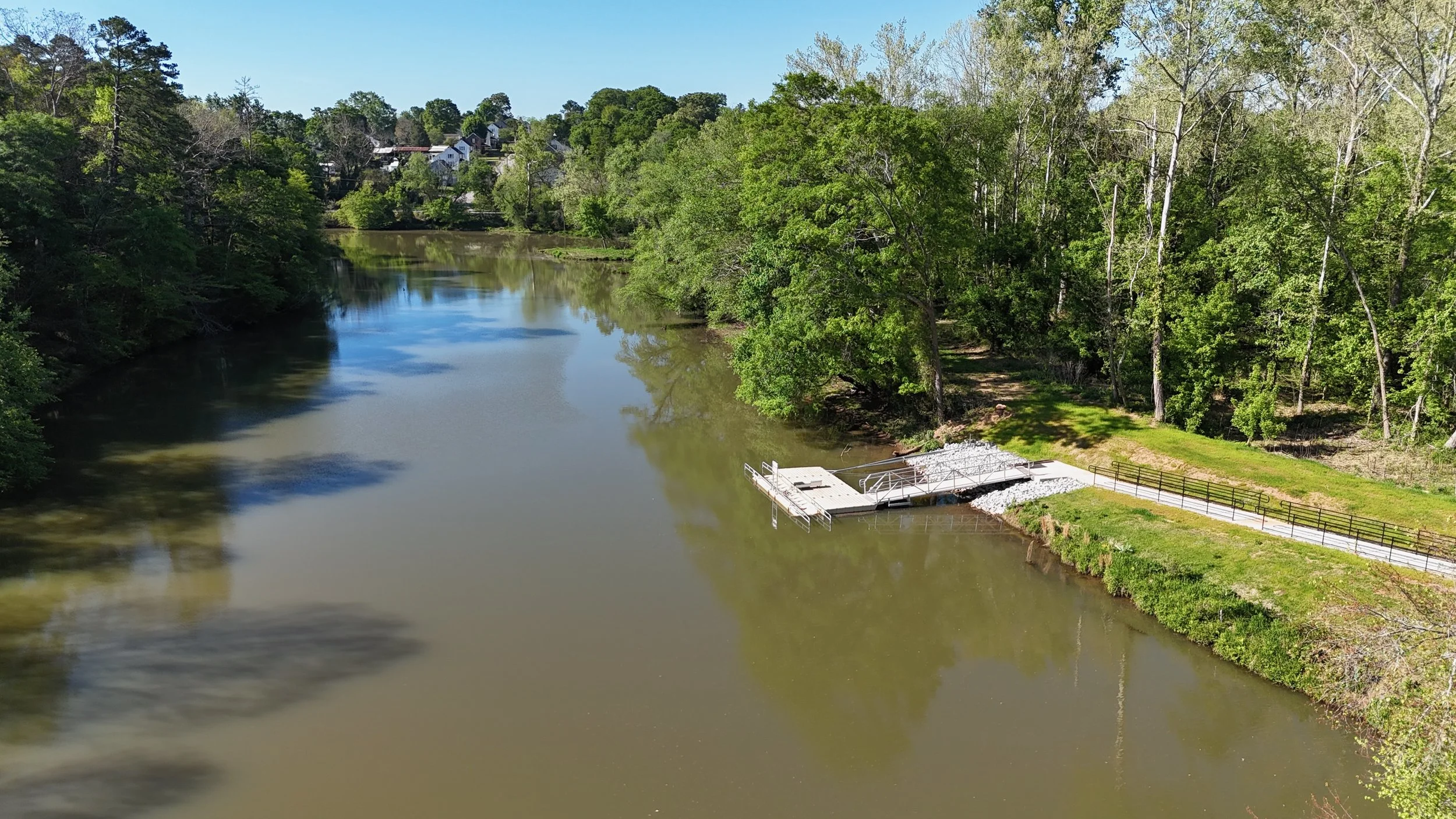
“This has been a long-term goal of Anderson County, a critical piece of the Blue Way because now we'll be able to advertise a formal ADA corridor with a launch, with ADA launch and an ADA takeout,” said Matt Schell, Parks Department manager for Anderson County.
“River Road connects both properties nine miles apart, and that's going to be critical for the 48-mile Saluda Blue Trail,” said Schell.
The park’s location is almost didactic in its symbolism. It sits at the confluence of the Saluda River and Big Brushy Creek, a place where water gathers and changes temperament, and where the county has proposed to turn a former industrial parcel into an entry point for paddlers, walkers, and families looking for something quieter than a storefront park and more legible than a wild bank.
“We're really excited about Anderson County's newest park,” said Anderson County Administrator Rusty Burns. “That park is really the anchor for the Saluda River Blue Trail; it's not the end of it, but it's a clear segment from Dolly Cooper to that point. It is a beautiful park right on the Saluda River. It's like a nature reserve. We have additional work we want to do there and we're securing funding.”
Anderson County bought the land on July 1, 2020, and later folded it into a larger public-recreation effort tied to the Upper Saluda River Blue Trail, a regional paddling network that treats access itself as a civic good.
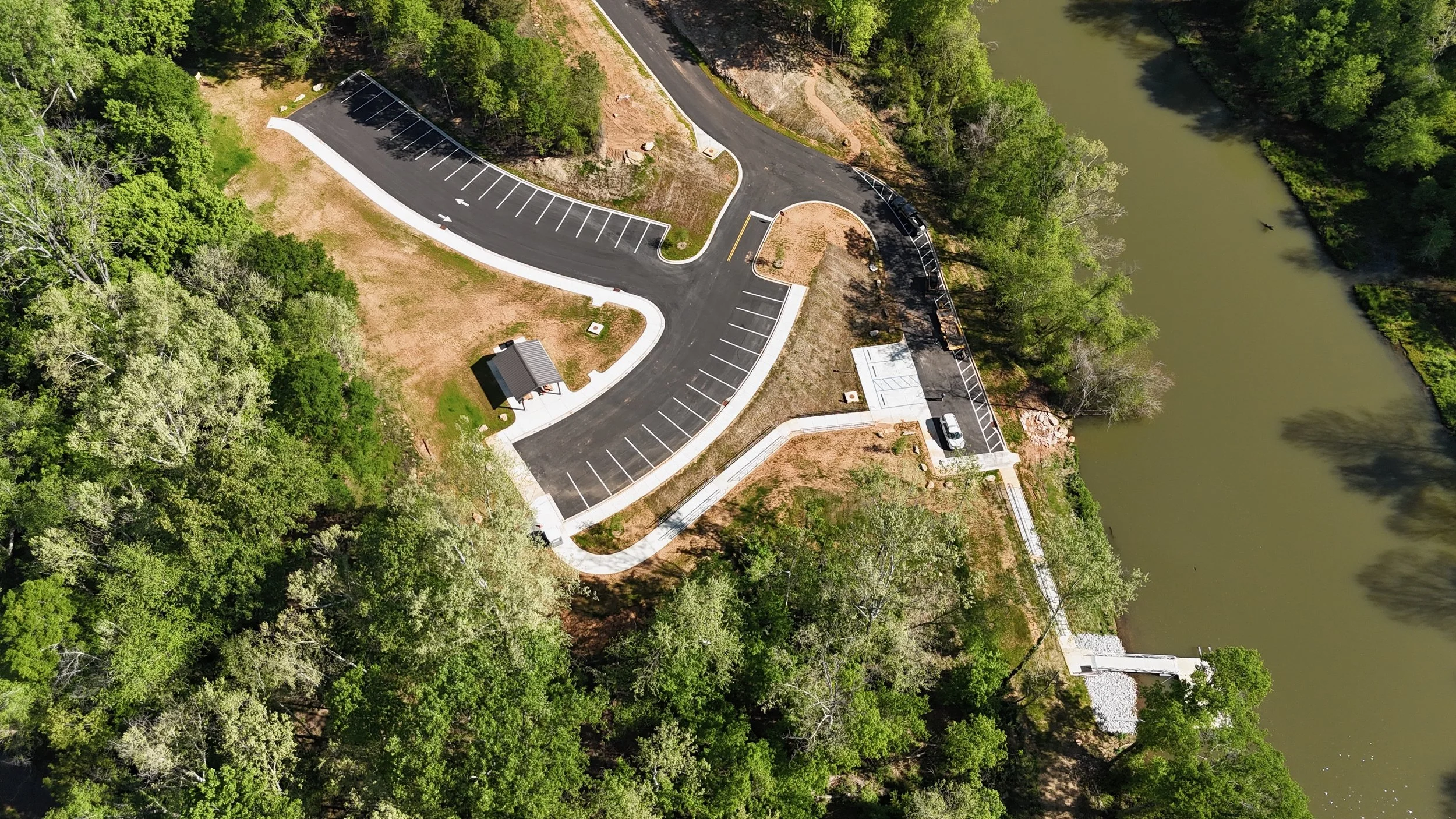
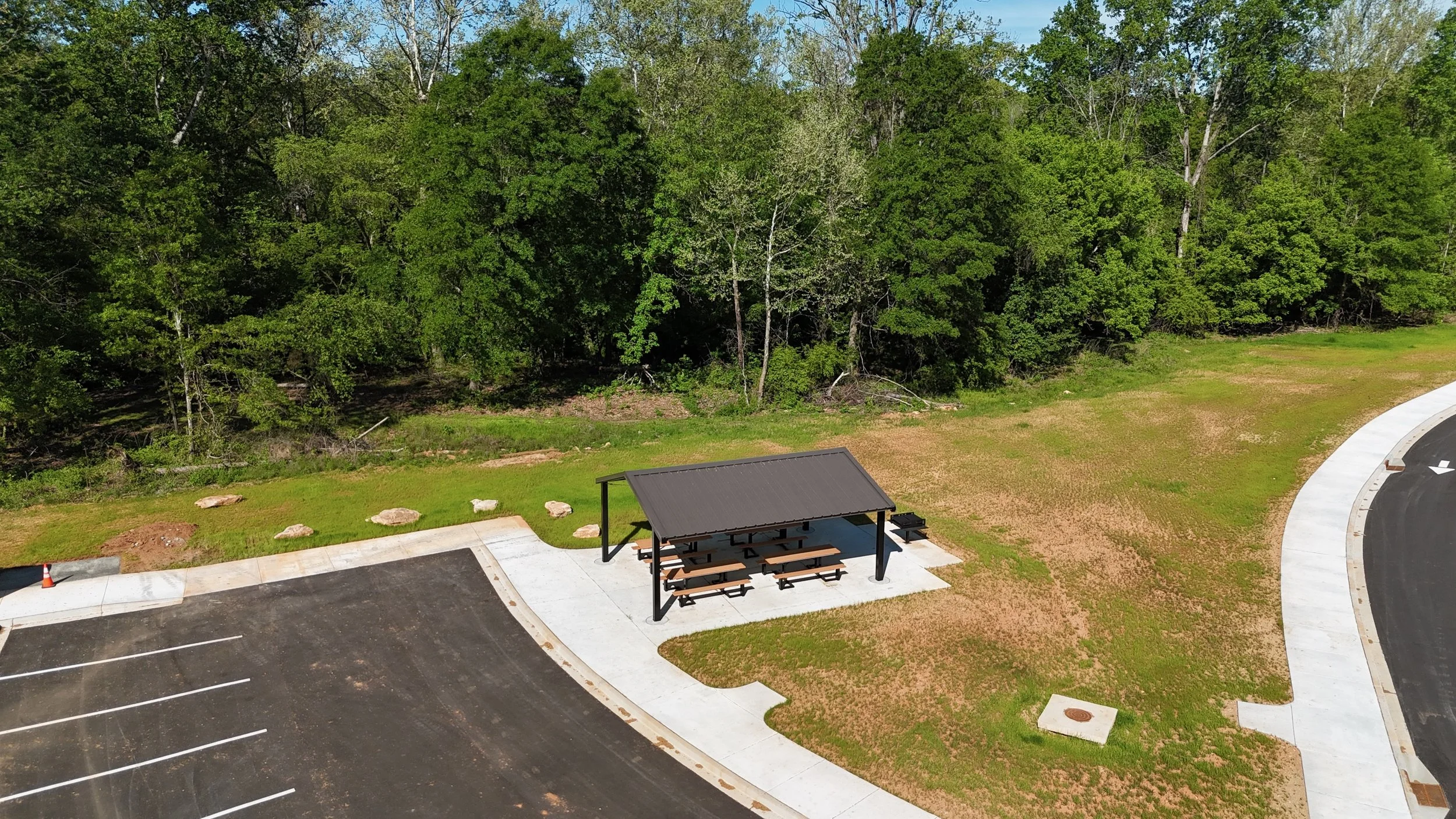
The eco-tourism ark as a project is meant to be built in phases. The plan includes the ADA-accessible kayak launch, an ADA-accessible paved sidewalk, improved parking and access, a picnic shelter, nature paths, and habitat work. The broader vision is more expansive and slightly more ambitious in tone: a 2,800-foot natural-surface trail (three marked nature trails), restroom facilities, a small-craft boat launch, boat trailer parking (which will also provide access for emergency support for fire and water rescue), additional roadway infrastructure and on-site hosts 24/7.
The goal is a site that remains undisturbed or only lightly disturbed, as the county wants to build a public park without entirely disturbing the memory of the place.
The scale is worth dwelling on because it is easy to miss. The park is not a sprawling destination park in the modern, all-things-to-all-people sense; it is a 21-acre piece of land with a carefully argued purpose. Its shoreline frontage—more than a mile of access along the Saluda and Big Brushy Creek—gives it unusual leverage for a site of its size, and its position near the dam makes it feel at once local and connected to a broader watershed story. The county has also framed it as the fifth access facility supporting the Blue Trail, which places it in a regional sequence of river access points rather than as an isolated amenity.
There is, too, the matter of what the county says the park is not. In the environmental review, officials weighed a “no-action” alternative in which the land could have been sold for residential development. That would have meant a more impervious surface, more traffic, and less public access; the park, by contrast, is presented as a hedge against that kind of loss, a way to keep the river from disappearing behind driveways and cul-de-sacs. The projected benefits, according to the county’s estimates, include more than $300,000 in direct annual economic impact and nearly $1 million in indirect effects—figures that try to translate a public landscape into the language of return on investment.
Anderson County bought the property in 2020 with funding from the county’s FY 20/21 budget, then later secured a $500,000 federal Land and Water Conservation Fund grant for Phase I, plus a separate $500,000 state budget appropriation from the local legislative delegation for the park’s development.
What emerges from all of this is not just a park, but a county’s attempt to narrate itself differently. Piedmont Riverfront Park is being made from the collision of old uses and new aspirations: sand mining gives way to kayaking; access roads become trails; a working river edge is asked to become a shared public room. It is a project of modest grandeur that may, in time, help define the county’s nature oasis along the Saluda River.